

Why Eastern Newfoundland Sees So Much Fog
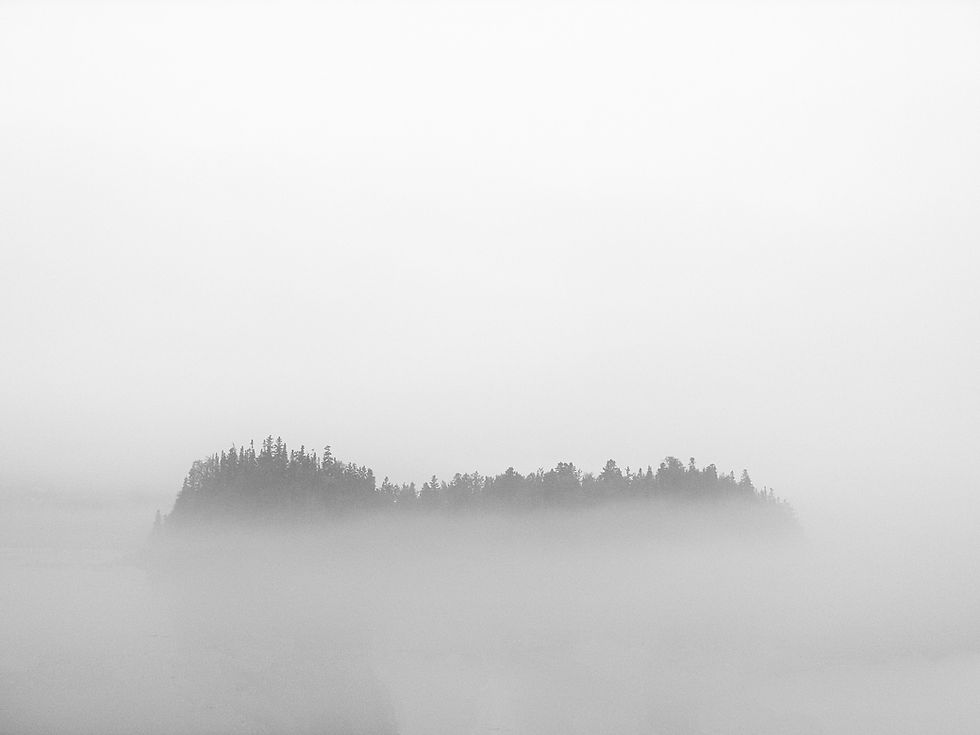
Eastern Newfoundland is one of Canada’s most fog-prone regions, with the Avalon Peninsula and surrounding waters frequently experiencing periods of dense marine fog.
The region’s geography and surrounding ocean currents create ideal conditions for fog to develop, particularly when warm, moist air moves over the cold waters of the Labrador Current.
The Labrador Current carries cold water southward along Newfoundland’s east coast. When warmer air passes over the colder ocean, the air near the surface cools toward its dew point. Once the air becomes saturated, water vapour condenses into tiny droplets, producing fog.
The Grand Banks, southeast of Newfoundland, are particularly well known for frequent fog. The area is influenced by the cold Labrador Current and warmer waters associated with the Gulf Stream, creating strong temperature contrasts that help generate marine fog.
Those conditions can have a direct impact on communities along the Avalon Peninsula.
Easterly and southeasterly winds can push cool, moisture-rich marine air toward the coast, bringing fog into places such as St. John’s. At times, the fog can be concentrated along the coastline while areas farther inland remain clearer and warmer.
The region’s terrain can also contribute to the persistence of low cloud and fog. When moist marine air moves over higher terrain, it can cool further, while stable atmospheric conditions can prevent the fog from mixing out.
Fog can therefore linger for hours, particularly when winds are relatively light and there is little change in the prevailing air mass.
The result is a familiar pattern for eastern Newfoundland residents: temperatures that can be relatively mild inland while coastal communities remain under a persistent blanket of fog.
Local conditions can also vary considerably across short distances. Changes in wind direction, coastline shape and elevation can mean one area of the Avalon Peninsula is foggy while another is relatively clear.
The combination of cold ocean water, abundant moisture, strong temperature contrasts and frequent marine airflow makes eastern Newfoundland particularly susceptible to fog throughout the year.


Comments