

The Best Times to Visit Newfoundland and Labrador: A Weather Guide for Travellers

Planning a trip to Newfoundland and Labrador can mean choosing between warm summer days, towering icebergs, spectacular fall colours or dark skies during the winter.
The province’s weather can change quickly, but each season offers something different for visitors. For travellers planning around weather and outdoor activities, the timing of a trip can make a significant difference.
June: The best all-around month
For visitors hoping to experience as much as possible, June may be the sweet spot.
Icebergs are commonly found along Newfoundland’s coast in late May and early June, while whales and seabirds are becoming increasingly active. That creates the possibility of seeing icebergs, whales and puffins during the same trip.
June also brings very long daylight hours, making it easier to fit hiking, sightseeing and coastal drives into a single day.
The catch is that spring weather can still be cool, damp and foggy, particularly along exposed coastal areas.
Best for: Icebergs, wildlife, photography and long daylight.
July and August: The warmest and busiest period

If comfortable summer weather is the priority, July and August are generally the safest bet.
These months offer some of the province’s warmest conditions and are the heart of the tourism season. They are also prime months for whale watching, with humpback whales feeding along the coast.
Puffins remain active during the summer, while hiking trails and other outdoor attractions are generally operating at full capacity.
The downside is that July and August are also the busiest months. Accommodation, rental cars and popular tours can book up quickly.
Best for: Warm weather, hiking, whale watching, puffins, festivals and road trips.
September: A quieter alternative

For travellers who want summer-like activities without the height of the summer crowds, September can be an excellent choice.
Whale watching can continue into September, while cooler temperatures make hiking and sightseeing more comfortable. The province also begins its transition into autumn, with fall colours developing as the month progresses.
Best for: Hiking, wildlife, fewer crowds and early fall scenery.
October: Fall colours and darker skies

October is a good choice for visitors interested in Newfoundland and Labrador’s autumn scenery.
Forests and parks can take on vivid shades of yellow, orange and red, with areas such as Gros Morne National Park providing particularly dramatic scenery.
The trade-off is weather. October can be wetter and stormier than the summer months, and daylight hours are noticeably shorter. Travellers should be prepared for rain, wind and rapidly changing conditions.
Best for: Fall foliage, photography and scenic drives.
May: The iceberg bargain

For travellers willing to accept cooler and less predictable weather, May can offer one of the province’s most spectacular natural displays.
Icebergs begin appearing along the Newfoundland coast in spring, with late May and early June considered among the best periods for viewing them.
May is also a shoulder-season month, meaning visitors may encounter fewer crowds than during July and August.
However, temperatures are considerably cooler, and some seasonal attractions and businesses may not yet be operating on their full summer schedules.
Best for: Icebergs, photography, fewer crowds and shoulder-season travel.
Winter: A different Newfoundland

Winter isn't the easiest season for a Newfoundland road trip, but it offers a very different experience.
Snow-covered landscapes also create opportunities for snowmobiling, skiing and other winter activities.
Travellers should be prepared for rapidly changing winter weather, reduced daylight and potentially difficult driving conditions.
Best for: Winter sports, snow-covered scenery and avoiding the summer crowds.
So, when should you go?
For the best overall combination of weather and attractions, July is a strong choice.
For the best chance of seeing icebergs, aim for late May or early June.
For whales and puffins, June through August is the prime period, with July and August particularly strong for whale watching.
For fall colours, plan for late September into October.
And for travellers looking for a quieter trip with a balance of attractions and reasonable conditions, June and September are worth considering.
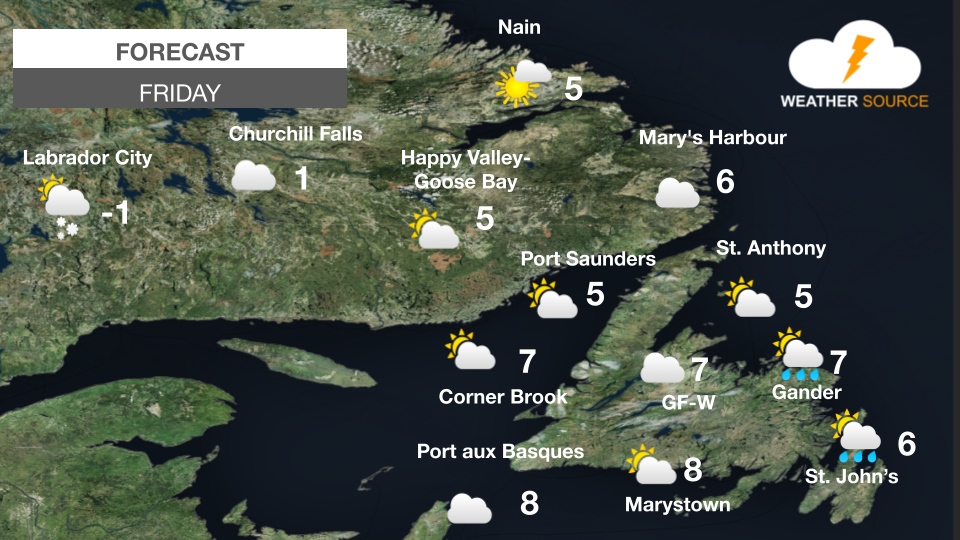
One thing visitors should remember regardless of the season: Newfoundland and Labrador's weather can change quickly. A sunny morning does not necessarily mean a calm afternoon, particularly along the coast.
Pack layers, bring rain gear and check the forecast before heading out — no matter when you visit.


Comments